Mission
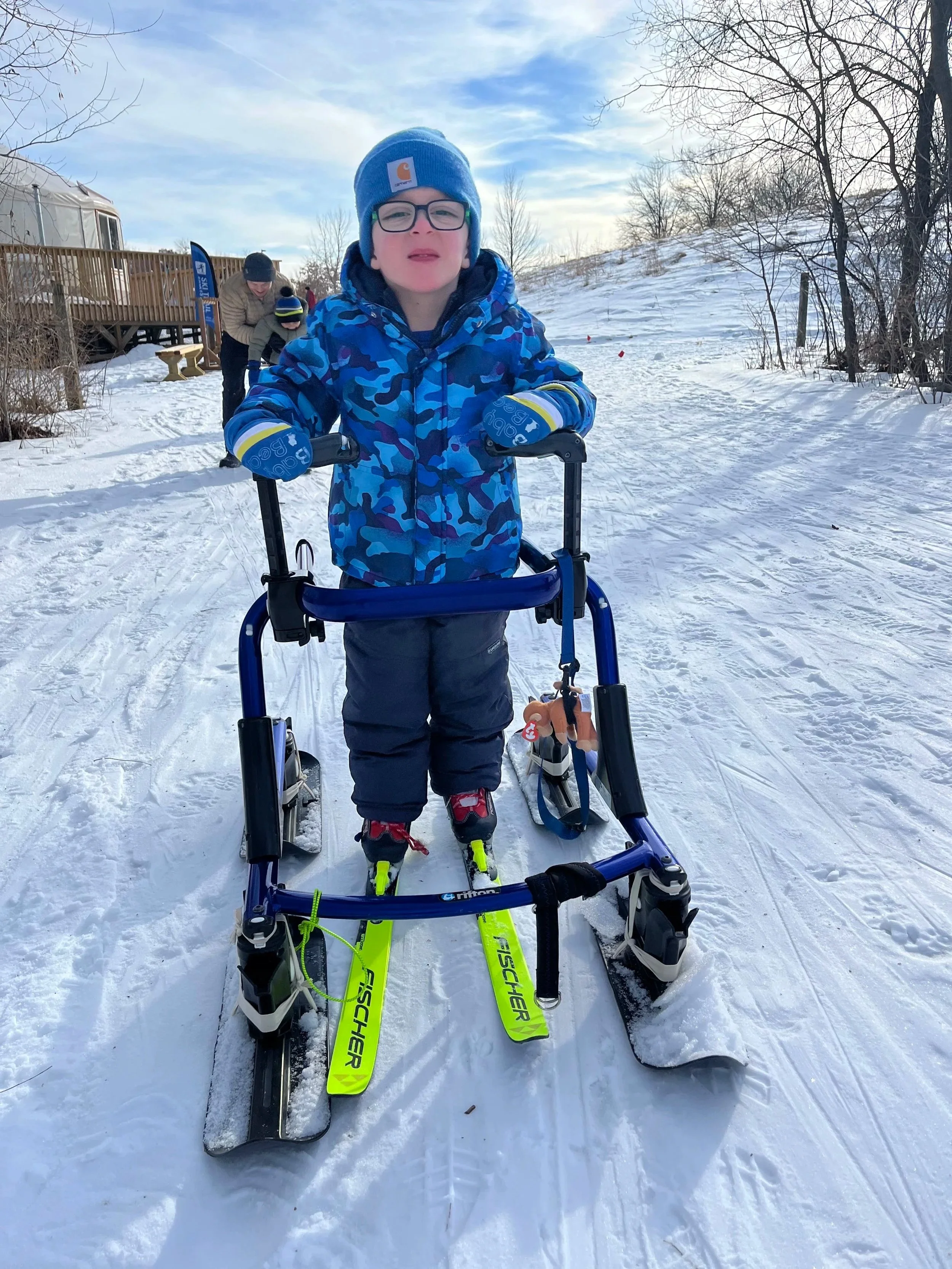
Training outdoor practitioners with the skills, knowledge, and confidence to include children with disabilities in outdoor settings —
because every child deserves a place in nature.
Philosophy
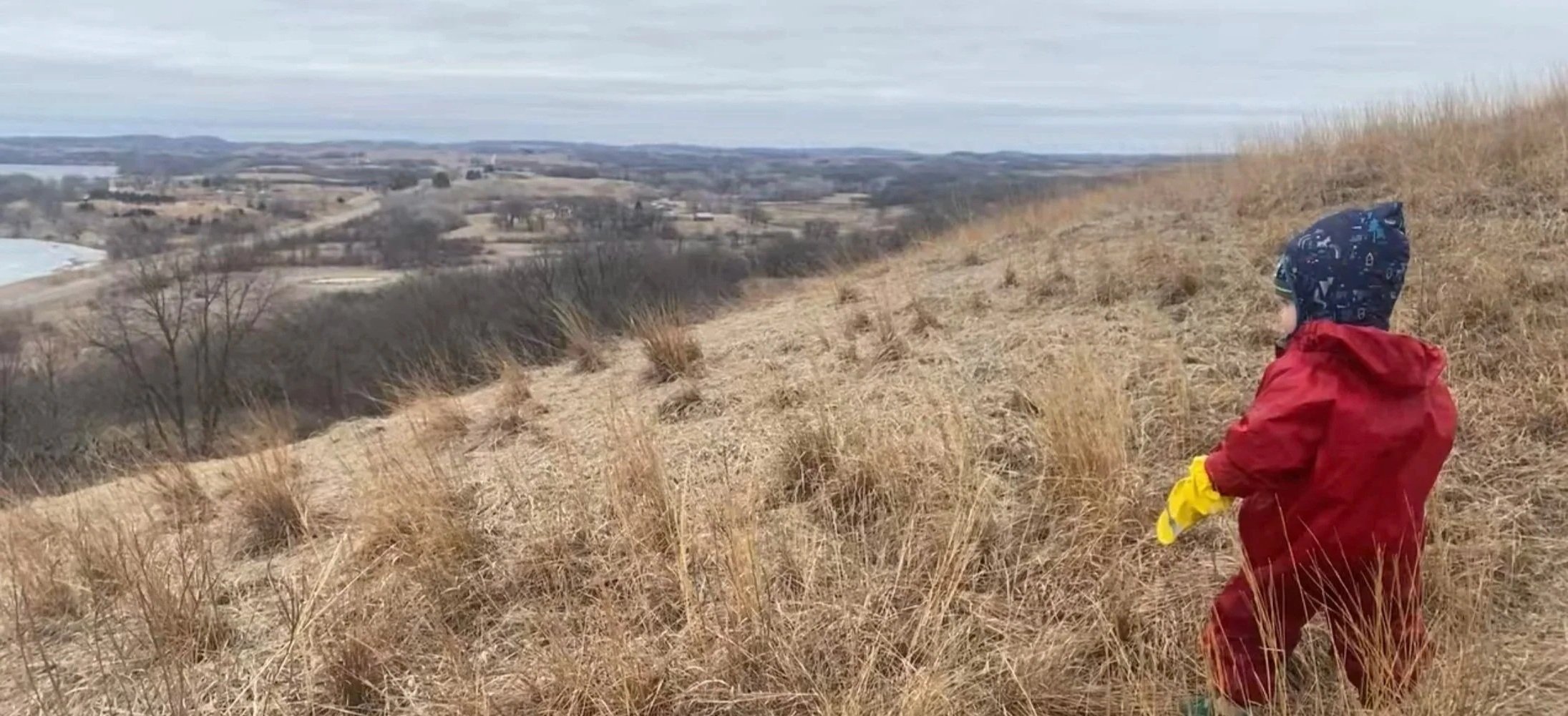
The natural world is one of the most crucial entities to a child’s learning and growth. The forest floor, the prairie trail, and the water's edge, can all hold something irreplaceable for a child’s development. By offering a space to build sensory skills, develop emotional regulation, and strengthen physical resilience, nature is essential to every child. But all too often, children with physical and mental disabilities are prevented from full access to what those spaces offer.
Exclusion from outdoor spaces is rarely intentional. Outdoor educators, park naturalists, and other nature-based practitioners care deeply about the children in their programs. What is missing is not compassion — it is specific, practical knowledge about how to help these children when and where it matters most. Knowledge about what to do when a child with sensory processing differences shuts down near squishy mud; how to respond when a child with autism becomes overwhelmed at the sight of an insect; and how to support a child with attention deficits who is wandering away from the group. This lack of knowledge is not a failing. It is a workforce gap — and it is solvable.
That gap is exactly what Branch Outdoors was built to close. Real competence requires more than awareness — it requires understanding sensory systems, knowing how to assess an outdoor environment for hidden barriers, having communication tools ready before they are needed, and building relationships with children and their families that make inclusion actually work. When practitioners have that foundation, something shifts. Nature is no longer a reward for children who can keep up, be brave, or stay safe, but it becomes a constant for every child, regardless of how they move through the world, how they process sensation, or how they communicate. Children who were previously on the edge of nature find their way into the center of it. That is worth building toward.